













If you’ve ever wondered what a hysteroscopy is, why your provider might recommend it, and exactly what to expect before, during, and after the procedure, you’ve come to the right place. Especially if you are interested in getting a hysteroscopy in Howard County, Maryland.
A hysteroscopy is one of the most powerful tools gynecologists use to diagnose and treat issues inside the uterus without major surgery. It’s minimally invasive, highly accurate, and often completed on an outpatient basis — meaning you’ll likely be home the same day.
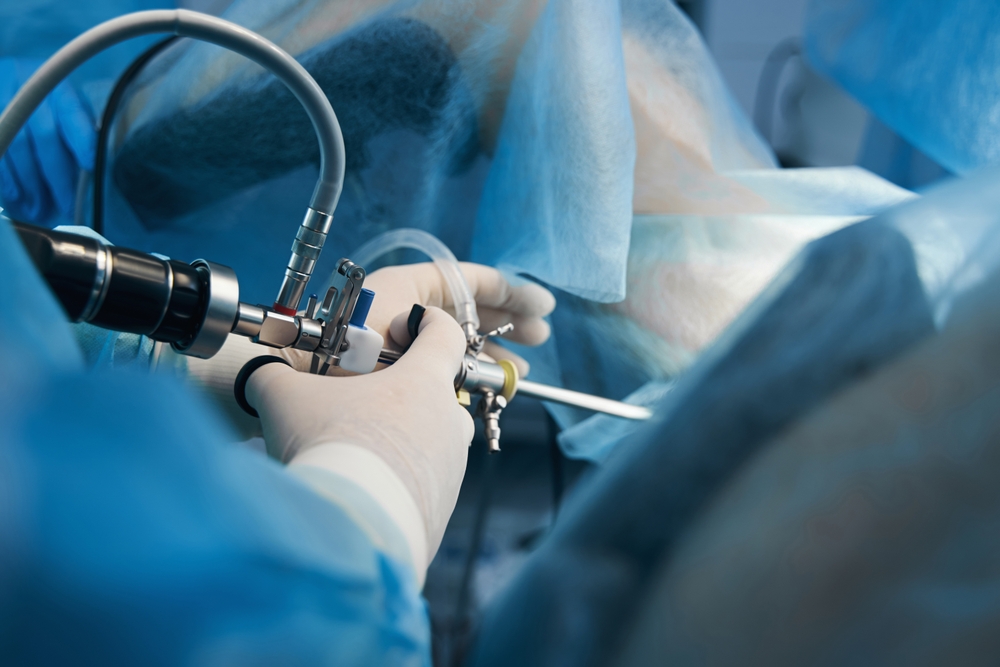
At its core, a hysteroscopy is a way for your doctor to look directly inside your cervix and uterus using a thin, lighted instrument called a hysteroscope. There’s no need for incisions because the scope enters through the vagina and cervical canal, offering a clear view of the uterine cavity. This direct visualization gives your provider real-time insight into what might be causing symptoms like abnormal bleeding, pelvic pain, or fertility concerns.
A hysteroscopy can be either diagnostic or operative. In a diagnostic hysteroscopy, your provider investigates the inside of the uterus, looking for abnormalities such as polyps, fibroids, adhesions, or irregular tissue that other tests — like ultrasounds — might miss. In an operative hysteroscopy, tools are passed through the hysteroscope to treat problems in the same visit, like removing small growths or scar tissue.
This “see and treat” approach often prevents the need for a second procedure.
What Happens Before and During Hysteroscopy
Preparation for hysteroscopy varies based on the complexity of your case and whether anesthesia will be used. If no sedation is needed, you might eat and drink normally. When general anesthesia or sedation is part of your plan, fasting before the procedure could be required. Your provider will walk you through these instructions in advance.
During the procedure, you’ll lie on an exam table similar to a pelvic exam. A speculum may be used to keep the vagina open. Your provider will gently guide the hysteroscope through your cervix and into the uterine cavity.
To improve visibility, a harmless fluid or gas may be used to slightly expand the uterus. Through the camera on the hysteroscope, your doctor will examine the lining, and if necessary, take biopsies or remove small abnormalities right then and there.
Why Hysteroscopy Is Recommended
Your provider may recommend hysteroscopy for a variety of reasons:
- To investigate unexplained or heavy uterine bleeding
- To evaluate and treat abnormal tissue, polyps, or fibroids
- To assess the lining of the uterus in the context of infertility or recurrent pregnancy loss
- To locate a displaced intrauterine device (IUD)
- To remove scar tissue or adhesions that might affect reproductive health
Recovery and What to Expect After
Recovery after a hysteroscopy is typically quick. If you had only local anesthesia, you might be able to return to normal activities the same day. Some women experience mild cramping, spotting, or discomfort — similar to menstrual cramps — for a day or two. Over-the-counter pain relievers can help ease this. More extensive operative procedures might require a slightly longer recovery period.
Your provider will give you personalized guidance on aftercare, including activity restrictions and signs of complications to watch for, such as heavy bleeding or fever. Always follow these instructions closely and reach out if you’re unsure about anything.
How Hysteroscopy Supports Fertility and Reproductive Planning
For patients who are trying to conceive or who have experienced recurrent pregnancy loss, hysteroscopy can play an important role in understanding what is happening inside the uterus. Even small abnormalities in the uterine lining, such as polyps, fibroids, or scar tissue, can interfere with implantation or healthy pregnancy development.
Hysteroscopy allows your provider to identify and often correct these issues in a single procedure. Removing a small polyp, opening an adhesion, or smoothing irregular tissue can significantly improve the uterine environment for implantation. That is why hysteroscopy is commonly used as part of fertility evaluations and before advanced treatments like IVF.
Beyond fertility, hysteroscopy can also help confirm that the uterine cavity is structurally normal after prior surgery, infection, or complicated deliveries. It gives both you and your provider confidence that your reproductive system is in the best possible condition for future plans.
What To Know About Hysteroscopy in Howard County, Maryland
If you are scheduling hysteroscopy in Howard County, Maryland, it helps to know that this procedure is widely available through modern OB/GYN practices and is typically performed in an outpatient setting. That means no hospital stay, a shorter appointment window, and a faster return to your normal routine.
Most patients are able to drive themselves home after diagnostic hysteroscopy and resume light activities the same day. Your provider will tailor anesthesia, timing, and aftercare based on your medical history and the purpose of the procedure.
Choosing hysteroscopy is about clarity. It gives your provider a direct look at the uterus rather than relying solely on imaging or symptoms. That clarity often leads to faster diagnosis, more targeted treatment, and better outcomes overall.
For the Best Minimally Invasive Treatments in Fulton, MD, Book a Hysteroscopy at Capital Women’s Care Howard County
Hysteroscopy is a valuable diagnostic and therapeutic tool in gynecologic care. Whether it’s helping diagnose unexplained bleeding, improving fertility investigations, or treating small intrauterine issues, the procedure offers clarity and solutions with minimal disruption to your life.
If your provider has recommended a hysteroscopy in Howard County, Maryland, it means they are looking to get the clearest possible picture of your uterine health so that you can make informed decisions about your care.
When you’re ready to take the next step or have questions about the procedure, scheduling a consultation with Capital Women’s Care can help you feel prepared and confident about your care plan. Call (410) 314-0001 to set up a consultation today.
Leave a Reply