











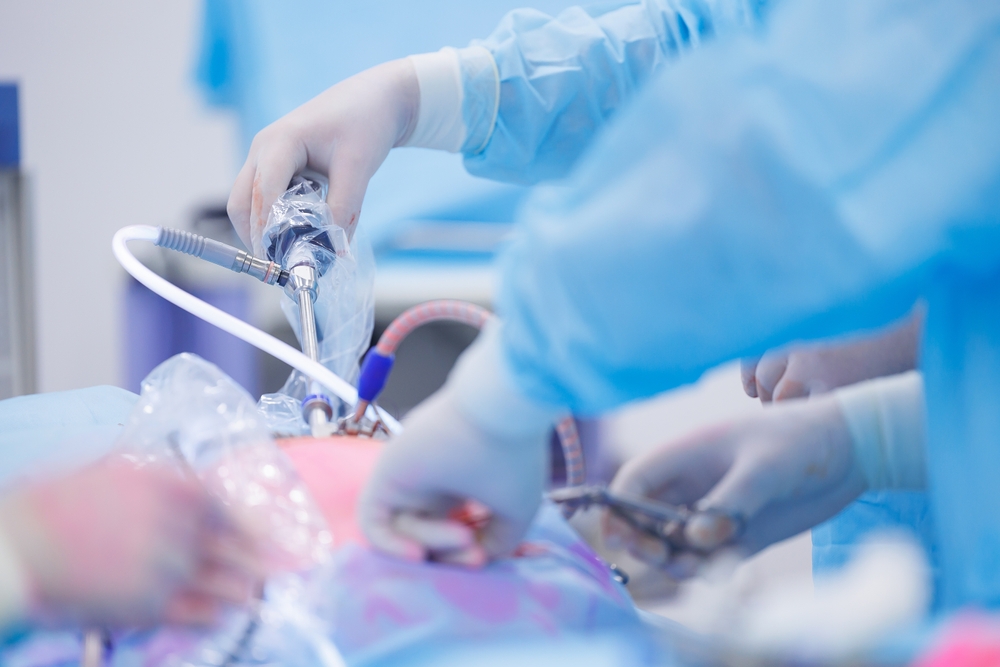
A gynecologic laparoscopy in Howard County, Maryland, is a procedure which diagnoses and treats many conditions of the female reproductive system.
Diagnostic laparoscopy and other minimally invasive procedures like it offer benefits such as smaller incisions and faster recovery.
There are many options for the diagnosis and treatment of many conditions with detailed anatomical views.
With this complete guide to gynecological laparoscopy in Howard County, patients can learn what gynecologic laparoscopy is, how it works, and what to expect from the procedure. Let’s take a look!
Your Complete Guide to Gynecologic Laparoscopy in Howard County
The gynecologic laparoscopy is a minimally invasive surgical procedure where the surgeon makes small incisions in the wall of the abdomen, then inserts a thin, lighted instrument called a laparoscope.
The instrument can be used to view the inside of the pelvis, and to take images of the reproductive organs. This is one of the great tools for proper diagnostics and treatment plans.
The process is minimally invasive as opposed to open surgery, which requires larger incisions and longer recovery time.
Conditions Gynecologic Laparoscopy Treats
Some of the most common conditions which gynecologic laparoscopy can help treat are endometriosis, ovarian cysts, fibroids, and ectopic pregnancy.
In many cases, the surgeon may use the procedure to evaluate chronic pelvic pain that has not responded to other forms of treatment.
Laparoscopy may also be used to help determine the cause of infertility if other tests like blood work and ultrasound have failed to produce a diagnosis.
Treatment is often performed at the same time as diagnosis, making the process more convenient for the patient.
Let’s take a deeper look with this complete guide to gynecological laparoscopy in Howard County.
How the Procedure Actually Works
The surgeon first administers anesthesia and makes the small incisions in the abdomen before inserting the laparoscope.
Carbon dioxide gas may be used to inflate the abdomen and provide a clearer view of the reproductive organs.
The surgeon can then use the laparoscope to examine the uterus, ovaries, and fallopian tubes. If treatment is needed for a condition, it can usually be performed at the same time.
If needed in some cases, treatment can be performed during the procedure. This may include removing tissue or cysts, fibroids, abnormal growths, or other issues.
Benefits of Minimally Invasive Gynecologic Surgery
As we mentioned before, gynecologic laparoscopy has many advantages over more traditional open surgery.
There is less pain and discomfort during recovery, as well as a faster recovery time. Patients can often expect shorter hospital stays and to be able to return to normal activities in a week or two.
In minimally invasive surgery, the surgeon can focus on a specific area and not have to disrupt other healthy tissues.
Recovery and What Patients Can Expect
Gynecologic laparoscopy recovery time will vary from patient to patient and also depends on what procedures were performed.
In many cases, the patient is able to return home the same day or within 24 hours. Most people are able to return to their normal activities within a week or two after the procedure.
Pain or discomfort near the incision sites as well as bloating and gas pain are common during the first few days after surgery.
The surgeon will provide detailed instructions for activity restrictions, pain management, and follow up.
Warning signs of infection and other complications should be monitored for, and the surgical team should be notified of any concerns.
Book Your Gynecologic Laparoscopy in Howard County Today!
When speaking with a qualified surgeon, you patient can learn more about how the process can be used and what to expect as an outcome.
Contact us now at 410-314-0001 and book an appointment with our non-invasive specialist. Our team is standing by to answer all of your questions on your journey!
Leave a Reply