













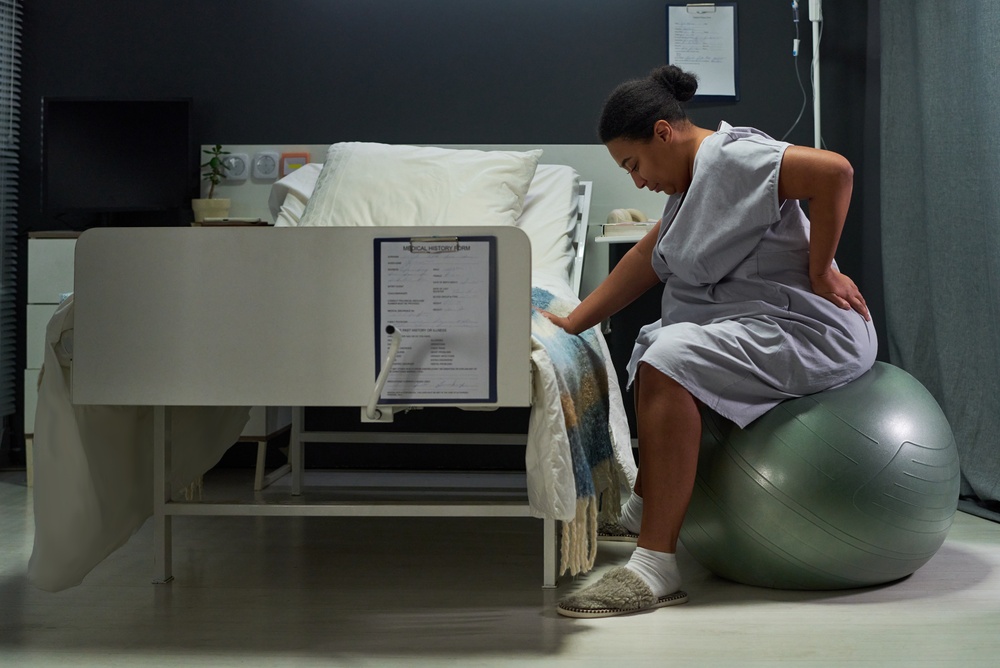
If you are expecting a baby and living near Anne Arundel County, Maryland, you have probably already started thinking about how you want to handle labor pain.
Every birth is different, and knowing your options ahead of time can make the experience feel less overwhelming and potentially less painful.
Pain management and labor near Anne Arundel County is a common search for expecting women in the area, since knowing what to expect can ease some of the uncertainty around delivery day.
Understanding how labor typically progresses, along with the pain relief choices available at each stage, can help you build a birth plan that feels right for you.
Understanding the Three Stages of Labor
Labor happens in three stages, and each one brings its own physical changes and level of discomfort.
The first and longest stage includes early labor, when your cervix begins to open and thin, followed by active labor, when contractions grow stronger and closer together.
During the second stage of labor, you push your baby into the world, a process that can take anywhere from a few minutes to a few hours depending on your body and whether you have had an epidural.
The third and final stage involves delivering the placenta, which typically happens within 30 minutes of your baby’s birth.
Every labor looks a little different, even from one pregnancy to the next, but understanding these three stages gives you a general framework for what to expect.
Once you have a sense of how labor tends to unfold, it becomes easier to think through your options for managing the pain along the way.
Pain Management and Labor Near Anne Arundel County
Pain relief during labor generally falls into two categories, medicated and non-medicated, and most people use some combination of both.
Non-medicated options include breathing exercises, warm showers, massage, and movement, all of which can help you stay comfortable during early labor.
If you are interested in medication, common pain relief options include analgesics for early labor, regional anesthesia such as an epidural for more significant relief, and nitrous oxide for a short-acting option you control yourself.
An epidural is the most common form of pain relief used during labor in the United States, and it typically begins working within 15 to 20 minutes.
There is no single right way to manage labor pain because everyone experiences pain differently, and your preferences may shift once contractions begin.
Talking with your OB/GYN ahead of time about the pros and cons of each option can help you feel prepared no matter how your labor unfolds.
Choosing What Feels Right for You
For many people, pain management and labor near Anne Arundel County comes down to having options and a supportive team once contractions begin.
Writing down your preferences ahead of time, including how you feel about medication, movement, and who you want in the room, can make those decisions easier in the moment.
Your comfort level may also change as labor progresses, and that is completely normal. What matters most is having a care team who listens to you and adjusts your plan as needed, whether that means starting with non-medicated methods or asking for an epidural once contractions intensify.
Bring your questions to your prenatal appointments so your plan is in place once you enter the delivery room.
The more informed you feel going in, the more confident you are likely to feel once labor begins.
Feeling Prepared for Labor Near Anne Arundel County
At Capital Women’s Care Howard County, we walk through your pain management options with you well before your due date, so you feel ready for whatever labor brings.
Our team delivers babies at Howard County Medical Center, where our team supports you through every stage of labor and helps you make the choices that feel right for you and your baby.
For an OB/GYN team who will listen to your preferences, call 410-314-0001 to schedule a visit.
Leave a Reply