











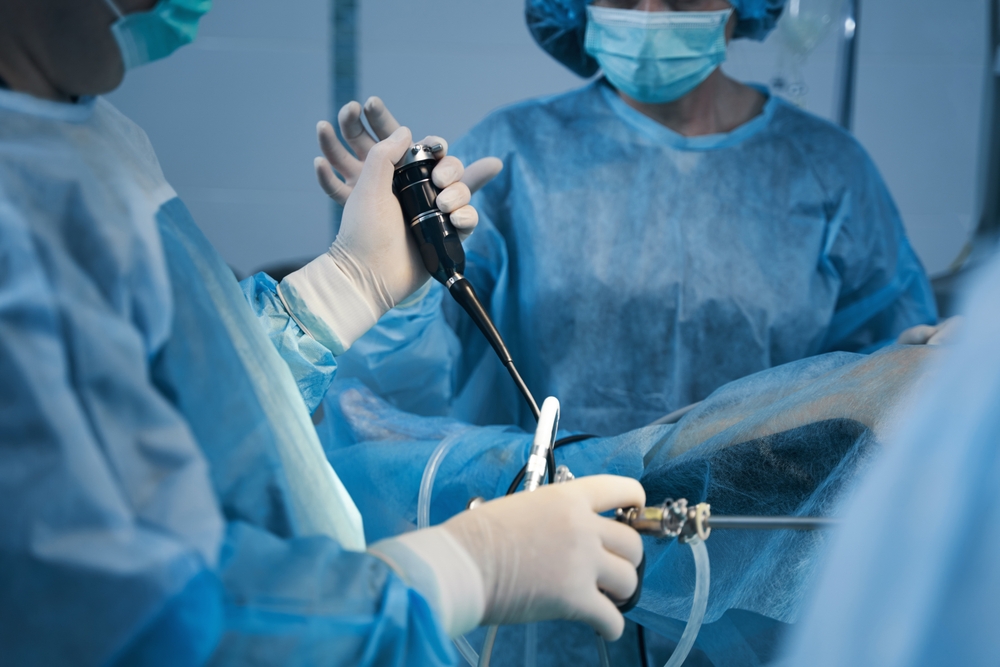
Hysteroscopy for polypectomy and fibroid removal is a minimally invasive approach used to diagnose and treat common causes of abnormal uterine bleeding, pelvic discomfort, and fertility challenges. For patients seeking polypectomy and fibroid removal in Fulton, Maryland, hysteroscopy offers a precise, uterus-preserving option that avoids large incisions and typically allows for a rapid recovery.
Polyps and fibroids are both benign growths that form inside the uterus, but they can cause significant symptoms depending on their size, location, and number. Hysteroscopy allows your provider to directly visualize the uterine cavity and remove these growths safely in a controlled setting, often during the same visit as the diagnostic exam.
Understanding Polyps and Fibroids and Their Impact on Health
Endometrial polyps are soft tissue growths that develop in the lining of the uterus. Fibroids are firm muscle-based growths that form in the uterine wall and may extend into the cavity. Both can contribute to heavy menstrual bleeding, irregular cycles, spotting between periods, pelvic pressure, and fertility difficulties.
Not all polyps or fibroids require treatment, but when symptoms are present or fertility is affected, removal is often recommended. Growths that distort the uterine cavity are more likely to cause bleeding, interfere with implantation, and contribute to recurrent pregnancy loss or difficulty conceiving.
How a Hysteroscopy for Polypectomy and Fibroid Removal in Fulton, Maryland is Performed
When patients pursue a hysteroscopy for polypectomy and fibroid removal in Fulton, Maryland, hysteroscopy it’s because it allows both diagnosis and treatment during the same procedure. A thin camera is passed through the cervix into the uterus, giving your provider a direct view of the uterine lining and any abnormalities present.
If a polyp or fibroid is identified, specialized instruments are passed through the hysteroscope to remove the tissue while preserving healthy uterine structures. This targeted approach reduces trauma, lowers complication risk, and avoids the need for abdominal surgery in many cases.
What To Expect Before, During, And After the Procedure
Before the procedure, your provider will review your medical history, symptoms, and imaging results. You may be advised to avoid eating or drinking for a short period beforehand depending on anesthesia plans and whether sedation will be used.
During hysteroscopy, you will lie comfortably on an exam table. The hysteroscope is gently inserted through the cervix, and sterile fluid is used to expand the uterus for better visibility. Removal of the polyp or fibroid is performed through the scope using small instruments designed for precision and safety.
The procedure is usually completed in under an hour. Most patients experience only mild cramping afterward and can return home the same day. Light spotting and mild discomfort for a day or two are normal and typically resolve without intervention.
Benefits Of Hysteroscopic Treatment and Where to Find Care
Hysteroscopy offers several advantages over traditional surgical approaches. There are no abdominal incisions, recovery time is shorter, and the risk of infection and scarring is lower. Because the uterus is preserved, hysteroscopy is also a fertility-friendly option for many patients.
Get Hysteroscopy for Polypectomy and Fibroid Removal in Fulton, MD, at CWC Howard County
If you are considering polypectomy and fibroid removal in Fulton, Maryland, a consultation can help determine whether hysteroscopy is the right option for you. You can contact Capital Women’s Care at (410) 314-0001 to schedule an appointment, review your symptoms, and discuss your treatment options with a provider who can guide you through each step of the process.
Early evaluation and personalized care allow for safer treatment, better outcomes, and improved quality of life.
Leave a Reply